Circadian rhythm
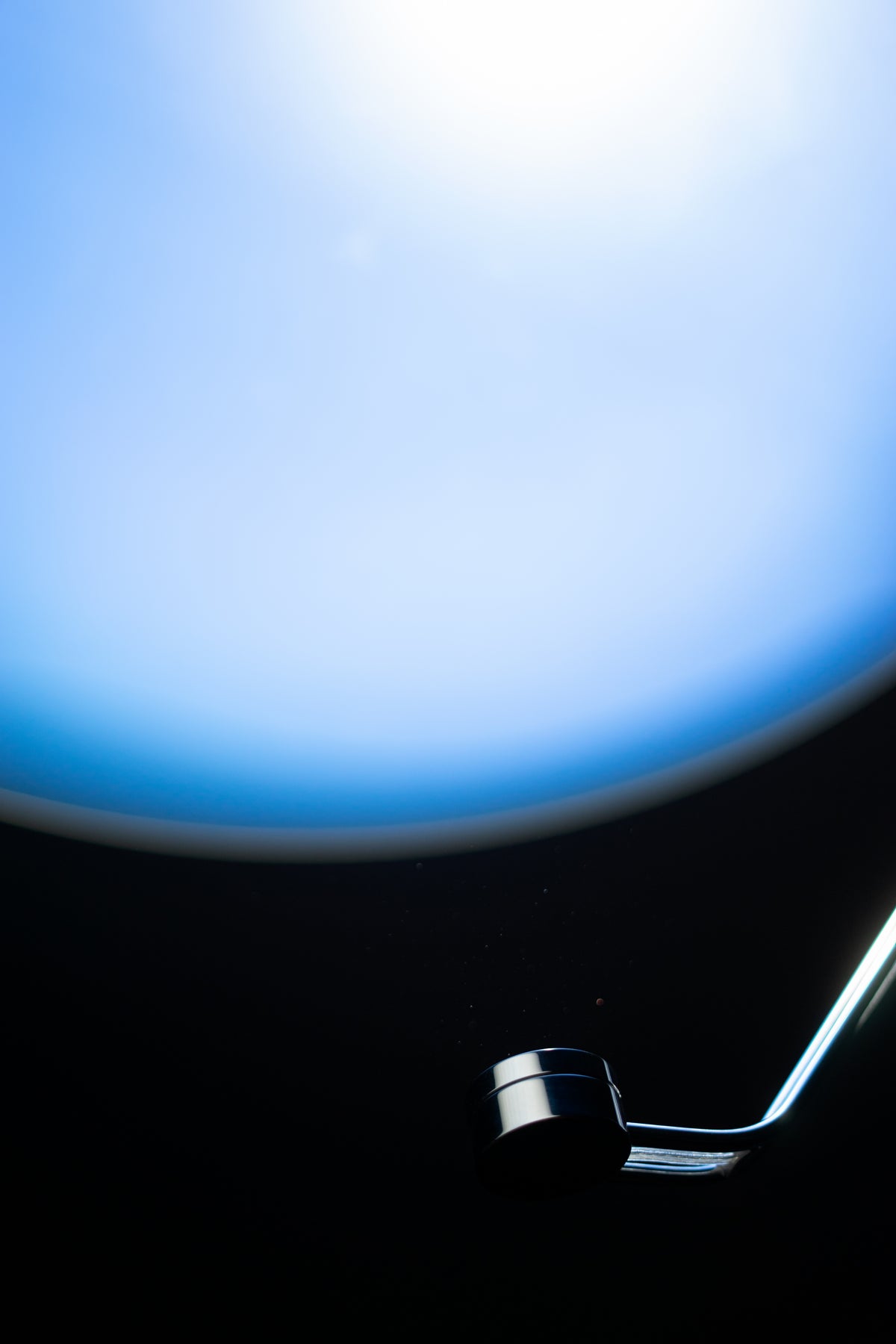
Bright morning light is the main signal it needs, making it easier to wake up alert and wind down naturally at night.
Light is the primary signal that regulates your circadian rhythm, which impacts sleep quality, mood, energy, and cognitive performance. Yet people spend most of their time indoors, in light that's 50 to 100 times dimmer than being outdoors.
the evidence
Light isn't just for visibility. It's the strongest signal for your body's internal body clock, its circadian rhythm.
Specialised receptors in your eyes detect brightness and send signals to your brain's master clock, which regulates sleep, alertness, mood, hormone release, and metabolism.
When light exposure is insufficient or poorly timed, this system drifts out of sync, leading to disrupted sleep, lower energy, impaired focus, and long-term health consequences.
Bright light in the morning has the strongest effect on resetting your internal clock.
For a deeper look at the science of light and circadian health, read founder Nat Martin's piece here: How to Use Bright Light to Improve Your Life →
the evidence
The therapeutic effects of bright light are well established. Research into Seasonal Affective Disorder (SAD) has repeatedly shown that bright light therapy reduces symptoms of SAD, such as lower mood or energy levels often seen in the winter months.
A consistent finding across decades of research: around 5,000 lux hours of daily bright light exposure can have a meaningful impact on mood and energy levels. An established protocol for SAD uses 10,000 lux for 30 minutes each morning, which is typically delivered in the form of an SAD lamp or bright light box.
Bright light therapy
Traditional SAD lamps can deliver the required intensity, but only if you sit inches away for 30-60 minutes daily. In practice, few people maintain this routine. Bright light becomes a task rather than part of life.
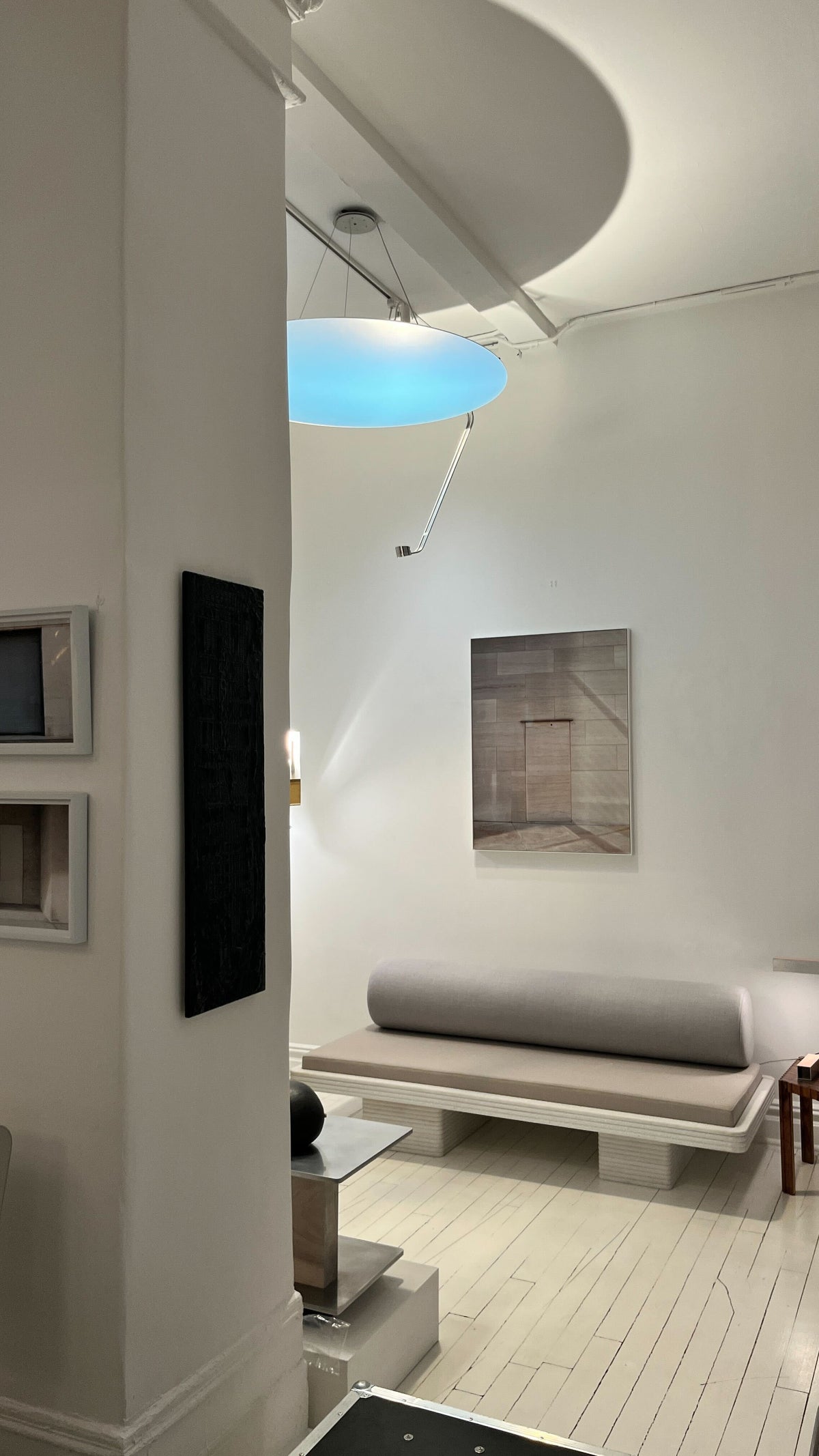
Sunday delivers 34,500 lumens (25 to 80x more lumen output than a typical SAD lamp). That's 10,000 lux at arm's length, enabling you to seamlessly integrate bright light into your routine over longer periods of time.
Sunday brings bright light into the spaces where you already spend your days.
The science
Bright morning light is the main signal it needs, making it easier to wake up alert and wind down naturally at night.
Bright light has an immediate effect on how awake we feel and can be used to drive sustained energy levels through the day.
Research shows bright light improves concentration, reaction time, and cognitive performance.
Bright light therapy is an established treatment for Seasonal Affective Disorder to help regulate mood and energy levels.

Circadian Neuroscientist, University of Oxford
I was incredibly impressed by the Sunday Light. It produces a level and quality of light that approximates sunlight, yet its design allows prolonged use that is both comfortable and convenient.
Critically, you do not have to sit next to the device to get the levels of light that will deliver physiological benefits.
The Sunday difference
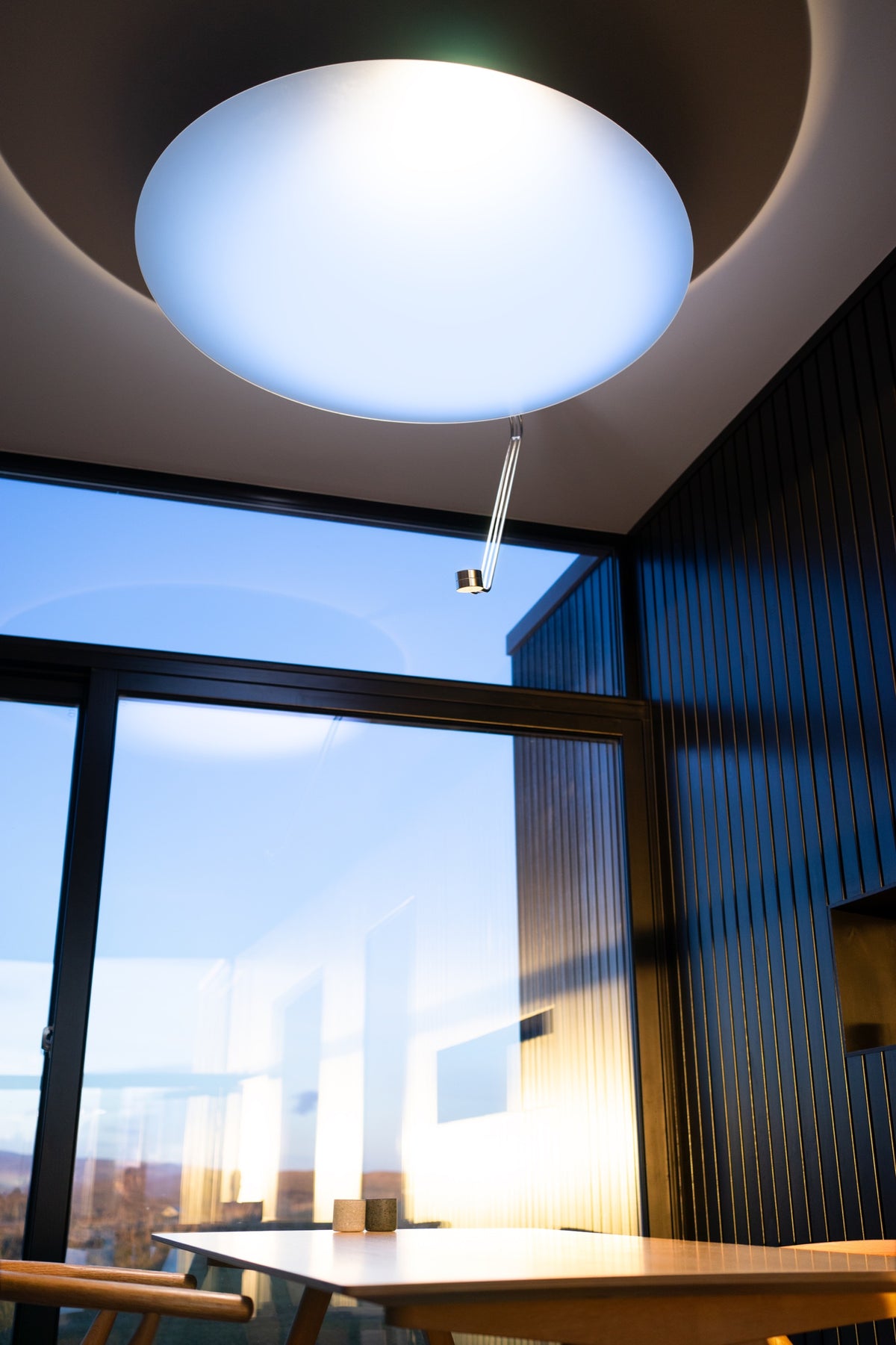
Outdoors, sunlight is scattered by the atmosphere, creating soft, diffuse light across the entire sky, so even at high intensity, it still feels comfortable.
Sunday recreates this effect using a large reflective panel that spreads light across a broad surface. This allows a room to be extremely bright without the glare.
Sunday also has a colour rendering index (CRI) of 97+, so colours render as if you are outdoors.
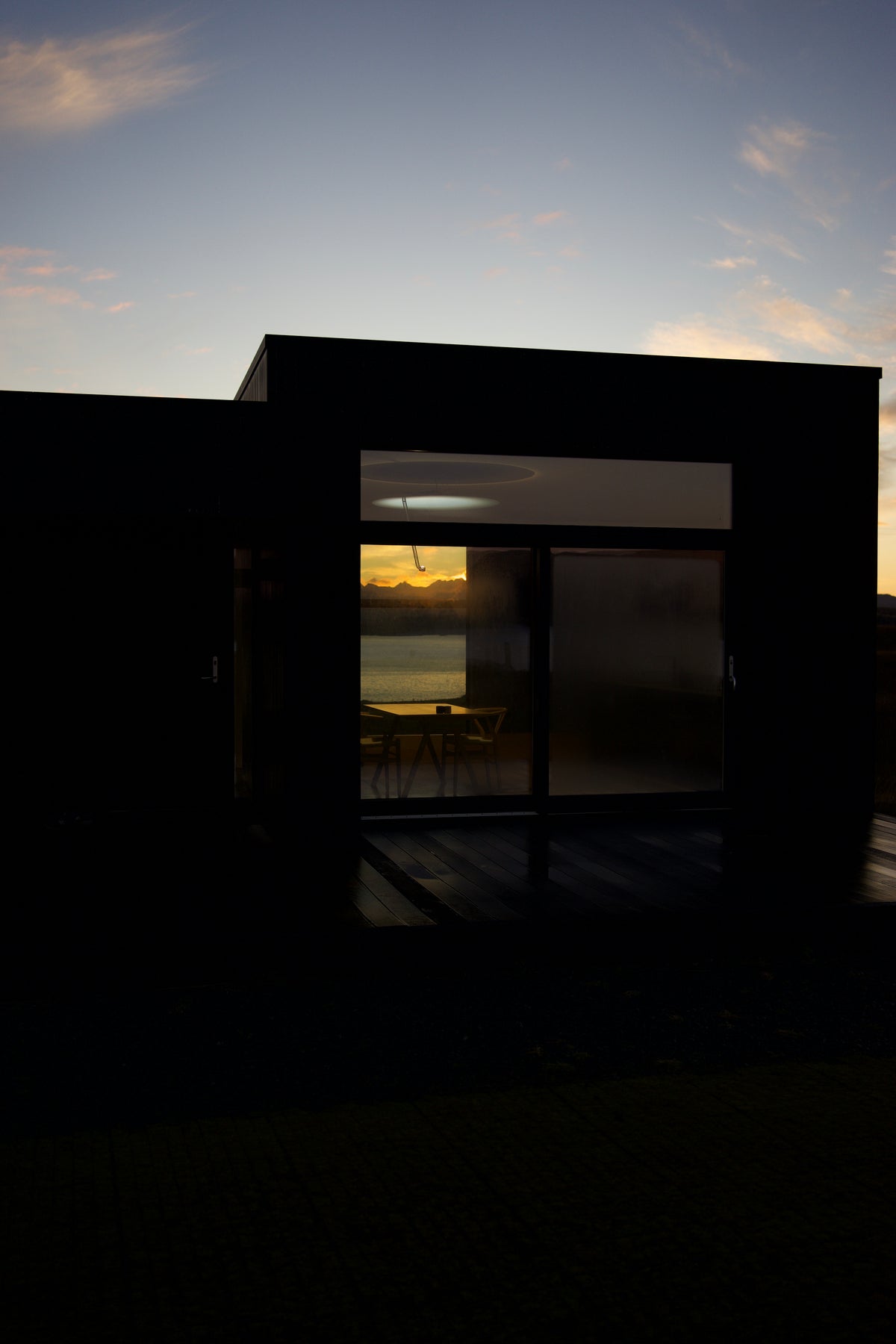
The effect light has on us also depends on when we see it, and not just the brightness.
In the morning our circadian rhythm needs cooler, bluer light, whereas towards evening it needs warmer, dimmer light.
Sunday shifts automatically, from 6000K cool, blue light to 2650K warmer light, whilst dimming from full brightness to <1%.
Set your schedule in the Sunday App around when you wake up, work and wind down, and Sunday automatically changes according to your routine.